
Understanding the Needs of Your Pet
Creating a pet-friendly home begins with understanding the unique needs of your furry, feathered, or scaly companions. Each pet has its own set of requirements based on their species, breed, age, and individual personality. By recognizing these needs, you ensure a harmonious living environment that caters to their comfort, health, and happiness.
Species-Specific Needs
Different pets, from dogs and cats to birds and reptiles, have distinct requirements. Dogs, for instance, thrive in environments where they have ample space to roam and play, while cats may prefer vertical spaces or cozy nooks to retreat. Birds need stimulating environments with toys and perches, whereas reptiles require specific temperature and humidity conditions. Understanding these species-specific needs is the first step toward creating a welcoming home.
Age and Health Considerations
A pet’s age and health status also significantly influence their needs. Puppies and kittens, being young and curious, demand more attention and safe spaces to explore. Senior pets, on the other hand, might need more accessible living arrangements that account for mobility issues. Additionally, pets with health conditions may require special diets or medications, which should be factored into their care routine.
Personality and Preferences
Just like humans, pets have unique personalities that influence their desires and behaviors. Some pets are social and enjoy interaction, while others are more independent. Recognizing these personality traits and preferences helps in providing an environment where pets feel secure and content.
By understanding and adapting to the specific needs of your pet, you lay the foundation for a nurturing and supportive home environment. Explore our product collection to find items that suit your pet’s needs perfectly.
Choosing Pet-Friendly Flooring Options
When it comes to creating a pet-friendly home, one of the most crucial aspects to consider is the type of flooring you choose. Pets, with their claws, paws, and occasional accidents, can significantly impact the longevity and appearance of your floors. Thus, selecting a flooring option that is both durable and easy to maintain is essential to ensure a harmonious cohabitation between you and your furry friends.
Durability and Scratch-Resistance
For pet owners, durability is paramount. Hardwood floors, while beautiful, can suffer from scratches and dents, especially from the claws of larger pets. Instead, consider opting for laminate or tile flooring, which are more resistant to wear and tear. These materials not only withstand the daily antics of playful pets but also maintain their aesthetic appeal for longer periods.
Water Resistance and Easy Maintenance
Accidents are an inevitable part of pet ownership. Therefore, water-resistant flooring is a wise choice. Vinyl flooring offers excellent water resistance and is easy to clean, making it ideal for households with pets. Additionally, its softer surface provides a comfortable area for pets to lounge on.
Comfort for Your Pets
While durability and maintenance are important, your pet’s comfort should not be overlooked. Carpeting adds warmth and coziness, although it might require more frequent cleaning. If you choose carpets, consider stain-resistant options to make maintenance easier. Alternatively, area rugs can be used on harder surfaces to provide comfort while being easier to clean.
Ultimately, the best flooring option for a pet-friendly home strikes a balance between resilience and comfort. Each type of flooring offers unique advantages, and your choice should reflect both your lifestyle and your pet’s needs. For more flooring solutions and inspiration, explore our product collection.
Selecting Durable and Washable Fabrics
Creating a pet-friendly home involves a myriad of choices, none more crucial than selecting the right fabrics for your furniture and textiles. Pets, lovable as they are, come with claws, fur, and occasionally, accidents. Therefore, choosing durable and washable fabrics can make a significant difference in maintaining a clean and inviting home environment.
Why Durability Matters
Durable fabrics are vital because they withstand the wear and tear that comes with an active pet household. Materials such as microfiber, leather, and certain synthetic blends are known for their resilience. Microfiber, for instance, is not only tough but also resistant to scratches, making it an excellent choice for couches and chairs. Leather, while slightly more expensive, offers the dual benefits of durability and ease of cleaning, as spills can be wiped away effortlessly.
The Importance of Washability
Washable fabrics provide the flexibility needed to keep your home looking fresh and clean. Opting for removable covers on sofas and cushions allows for easy laundering, which is invaluable when dealing with pet hair and the occasional mishap. Fabrics like cotton and linen blends, though less durable than some synthetic options, offer the advantage of being machine washable, simplifying maintenance significantly.
Balancing Style and Practicality
While practicality is key, it doesn’t mean you have to sacrifice style. Many modern fabrics offer patterns and textures that are both aesthetically pleasing and functional. Consider darker shades or patterns that can cleverly disguise minor stains or fur between cleanings, merging functionality with design seamlessly.
By thoughtfully selecting fabrics that combine durability with washability, you ensure that your home remains both beautiful and pet-friendly. To explore our product collection, visit our shop page for more options.
Creating Safe and Cozy Spaces for Pets
When welcoming a furry companion into your home, creating an environment that prioritizes their safety and comfort is paramount. A well-thought-out pet-friendly space not only fosters a strong bond between you and your pet but also ensures their wellbeing and happiness. Here are some essential tips to help you design a sanctuary your pet will love.
Ensure Safety First
Pets, much like children, are naturally curious, and this curiosity can sometimes lead them into precarious situations. To mitigate risks, consider removing or securing items that could pose a danger. For instance, ensure that all electrical cords are out of reach or covered, and keep hazardous substances, such as cleaning supplies or certain plants, stored safely away from curious paws and mouths. Additionally, installing pet gates can prevent access to areas that may not be pet-friendly, like stairwells or kitchens while cooking.
Create a Cozy Retreat
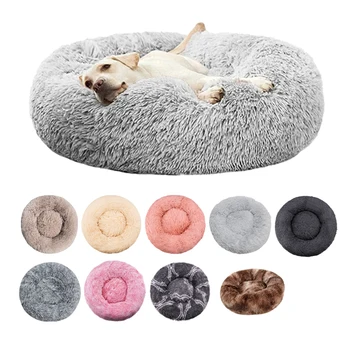
Every pet needs a personal space where they can retreat and relax. Consider investing in a comfortable pet bed that suits your pet’s size and sleeping style. Position this bed in a quiet corner of your home, away from high-traffic areas, to provide a serene environment. For smaller pets, such as cats, spaces with vertical elements like shelves or perches work wonders, offering them a vantage point to observe their surroundings.
Designate Play and Exercise Areas
Physical activity is vital for the health and happiness of pets. Designating a specific area in your home for play can help channel their energy positively. Make sure this space is free of fragile items and includes toys that stimulate your pet’s mind and body. Rotating toys regularly can keep them engaged and entertained.
Creating a perfect pet-friendly home involves thoughtful planning and a keen eye on safety and comfort. By ensuring your pets have safe spaces to explore, cozy places to rest, and designated areas for play, you not only enhance their quality of life but also strengthen your connection with them. Explore our product collection for more ideas on how to enrich your pet’s environment.
The Importance of Pet-Friendly Plants
Creating a pet-friendly home isn’t just about providing a comfortable space for your furry friends to roam; it also involves making thoughtful choices about the elements within your home environment. One of the crucial aspects to consider is the selection of plants. While houseplants are a wonderful way to bring life and color into your home, not all are safe for pets. It’s important to be mindful of the types of plants you introduce into your living space, as some can be toxic to animals.
Pet-friendly plants offer a harmonious blend of aesthetics and safety, ensuring that your home remains a sanctuary for all its inhabitants. There are several beautiful and non-toxic plant options that can enhance your home’s décor without posing a risk to your pets. For instance, spider plants, bamboo palms, and Boston ferns are known for their lush greenery and are safe for both cats and dogs.
Besides being non-toxic, many pet-friendly plants also offer other benefits, such as improving air quality. Plants like the areca palm and rubber plant can filter toxins from the air, creating a healthier environment for both you and your pets. Moreover, incorporating plants can reduce stress levels and enhance the overall ambiance of your home.
When selecting plants, consider their placement as well. Hanging plants or those placed on high shelves can be an excellent way to keep them out of reach of curious pets while still enjoying their beauty.
In summary, choosing the right plants is a vital step in creating a pet-friendly home that is both beautiful and safe. By selecting non-toxic varieties, you can ensure that your living space remains a nurturing environment for all.




0 Comments