
Pets Needs Change with Age
As pets transition into their senior years, their requirements evolve significantly, much like humans. This transformation is marked by changes in their physical capabilities, dietary needs, and overall health, necessitating a tailored approach to their care. Understanding these adjustments is crucial to ensuring that our aging furry friends remain comfortable and content at home.
One of the most noticeable changes in senior pets is their decreased energy levels. They may no longer be as sprightly or playful as they once were, preferring instead to spend their days lounging. This shift in behavior is often accompanied by a slower metabolism, making it essential to adjust their diet to prevent weight gain and associated health issues. Providing a balanced diet rich in essential nutrients can help manage their weight and support their overall health.
Furthermore, as pets age, their joints and muscles may become less flexible, leading to conditions such as arthritis. It’s important to incorporate gentle exercise into their routine to maintain mobility and strength. Regular walks, albeit shorter and less strenuous, can help keep their joints active. Additionally, creating a comfortable living environment with soft bedding and easy access to food and water can ease their day-to-day life.
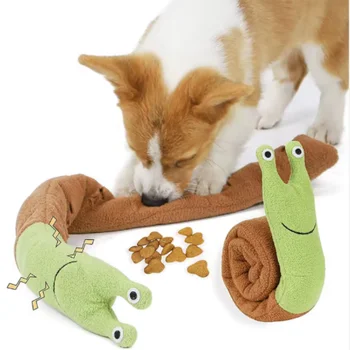
Cognitive changes are also common in senior pets. They might become more anxious or disoriented, requiring extra patience and reassurance from their owners. Engaging them with interactive toys and activities can help keep their minds sharp and alleviate some of these symptoms.
As caretakers, it’s our responsibility to adapt to these evolving needs with compassion and care. Explore our product collection to find items specifically designed to support the well-being of senior pets.
Creating a Comfortable Home Environment
As our beloved pets age, ensuring they remain comfortable and active in their home environment becomes paramount. Aging pets, much like humans, require special accommodations to ensure that their golden years are spent in comfort and safety. A well-thought-out home environment can significantly enhance your senior pet’s quality of life and help manage age-related changes.
Understanding Your Pet’s Needs
Firstly, it is essential to understand the specific needs of your aging pet. Senior pets often face challenges such as arthritis, decreased mobility, and sensory decline. Recognizing these issues allows you to tailor their environment accordingly. Consider placing non-slip rugs on hard surfaces to prevent falls and provide extra padding in their favorite resting spots to alleviate joint pressure.
Accessible Living Spaces
Accessibility is another critical factor in creating a comfortable home for senior pets. Ensure that food and water bowls are at a convenient height to reduce strain on their neck and joints. If your pet enjoys lounging on furniture, consider pet ramps or stairs to make these areas easily accessible without jumping, which can be painful for older joints.
Temperature and Lighting Adjustments
Older pets are more sensitive to temperature fluctuations and may require additional warmth in colder months. Utilize soft blankets or heated beds to provide extra comfort. Additionally, ensure that the lighting in their living areas is adequate, as vision can deteriorate with age. Soft, ambient lighting can help them move confidently without startling.
Creating a nurturing environment for your senior pet involves thoughtful adjustments and a keen awareness of their evolving needs. By making these changes, you significantly contribute to their well-being. Explore our product collection for items that can aid in enhancing your pet’s comfort and activity levels at home.
Adapting Diet and Nutrition for Senior Pets
As pets age, their dietary needs undergo significant changes. Adapting the diet and nutrition of senior pets is paramount to ensure they remain active and comfortable well into their golden years. One of the primary considerations is the caloric intake. Older pets tend to be less active, and thus their caloric needs decrease. However, a reduction in calories doesn’t mean a compromise in nutrition; rather, it calls for a balanced diet that is rich in essential nutrients but low in calories.
Protein plays a crucial role in maintaining muscle mass and supporting organ function in senior pets. High-quality proteins that are easily digestible should be prioritized. Additionally, the inclusion of omega fatty acids can benefit joint health, which is often a concern for aging pets. These fatty acids help reduce inflammation and promote mobility, keeping pets active and comfortable.
Similarly, antioxidants are important for boosting the immune system and combating oxidative stress, which can accelerate aging. Vitamins E and C are particularly beneficial in this regard. Fiber is another component that should not be overlooked as it aids in digestion and helps prevent constipation, a common issue in older pets.
Monitoring your pet’s weight and adjusting their diet accordingly is essential. Regular check-ups with a veterinarian can help tailor a diet plan that meets all the specific needs of your senior pet. Ensuring that their diet is well-balanced and supportive of their health will enhance their quality of life.
For pet owners looking to enrich their senior pet’s diet, explore our product collection for specially formulated options designed to cater to the unique needs of aging pets.
Incorporating Regular Exercise into Daily Routines
As pets age, maintaining a regular exercise regimen becomes crucial to ensure their mobility, health, and overall well-being. For senior pets, the key lies in adapting their exercise routines to suit their changing needs, ensuring activities are safe, gentle, and enjoyable.
Understanding Senior Pet Limitations
Senior pets, much like their human counterparts, experience a natural decline in energy and physical capabilities. This means that owners must be mindful of their limitations. Start by observing your pet’s behavior and energy levels. If your pet appears to tire easily, shorter but more frequent sessions of exercise can be more beneficial than longer, strenuous activities. Gentle walks, for instance, can help maintain joint health and muscle strength without over-exertion.
Adapting Exercise to Suit Needs
Incorporating low-impact exercises, such as swimming or gentle play, can significantly improve a senior pet’s quality of life. Swimming, in particular, is an excellent choice as it minimizes stress on joints while providing a full-body workout. Additionally, interactive toys designed for older pets can stimulate their minds while keeping them physically active. These toys can be a delightful way to engage them, ensuring that exercise is both fun and rewarding.
Routine and Consistency
Consistency is paramount when it comes to incorporating exercise into your senior pet’s daily routine. Establishing a regular schedule not only helps in maintaining physical health but also provides a sense of stability and routine, which is comforting for older animals. Remember, the goal is to keep your pet moving at a pace that they are comfortable with, gradually increasing the duration as their stamina improves.
Keeping your senior pet active and comfortable doesn’t have to be a daunting task. By tailoring exercises to their specific needs, you ensure that they remain healthy and happy. Explore our product collection for toys and accessories designed to support your pet’s active lifestyle.
Monitoring Health and Seeking Veterinary Care
The health of senior pets is a crucial aspect of maintaining their comfort and quality of life. As pets age, they often face unique health challenges that require vigilant monitoring and, at times, specialized veterinary care. Regular health check-ups with a veterinarian are essential to keep track of changes in your pet’s condition and to catch potential health issues early. These visits allow for a thorough assessment of your pet’s physical health, including weight management, dental care, and the detection of age-related diseases such as arthritis or diabetes.
Paying attention to your pet’s behavior is equally important. Changes in appetite, sleep patterns, or energy levels can signal underlying health problems. For instance, a normally active pet that becomes lethargic or disinterested in activities may be experiencing discomfort or pain. Similarly, if your pet shows reluctance to climb stairs or jump, it might be suffering from joint issues. Prompt veterinary care can address these issues before they progress, ensuring your pet remains active and comfortable.
In addition to veterinary visits, maintaining a health journal for your pet can be beneficial. Documenting observations about their diet, behavior, and any medications can provide a comprehensive view of their health over time. This information can be invaluable during veterinary consultations, assisting in the diagnosis and management of health conditions.
Remember, a proactive approach to your pet’s health can significantly enhance their senior years. Explore our product collection for items that support your pet’s well-being and comfort at home.




0 Comments